Yinxu Ruins
Introduction
Yinxu Ruins, is the archaeological site of the last capital of the Shang Dynasty (c.16th century-11th century BC), situated in the modern city of Anyang, Henan province, China. This UNESCO World Heritage Site is of immense historical significance as it provides critical insight into early Chinese civilization, particularly the Shang Dynasty, which is traditionally dated from the 16th century BC to the 11th century BC. Established as a major archaeological discovery in the early 20th century, the site encompasses an extensive area of over 30 square kilometers, with findings that include palatial, residential, and ritual structures, as well as tombs containing a wealth of artifacts.
Historical Background
The Yinxu Ruins, located in Anyang, Henan province, represent a pivotal archaeological site that unveils the rich legacy of the Shang Dynasty (c. 16th–11th century BC). This site became a center of mystery and intrigue following the fall of the Shang Dynasty. The Shang, also referred to as the Yin, marked their capital with grandeur, which, after the last king Di Xin's downfall to the Zhou people, transformed into mere legend known as Yinxu or "ruins of Yin."
The rediscovery of Yinxu in 1928 was a significant moment in modern Chinese archaeology, reshaping the perception of the Shang era. The ruins, sprawling over 30 square kilometers, have since become the longest-studied ancient capital city ruins in China. They offer a treasure trove of artifacts, including ritual bronzes, jades, and oracle bones, the latter revealing the oldest-known mature writing system of Chinese characters. This archaeological evidence corroborates historical records and enriches the understanding of the Shang Dynasty's social, cultural, and political frameworks.
Yinxu’s discovery has not only confirmed the historical accounts from texts like Shiji (Records of the Grand Historian) but has also expanded the collective knowledge of the Shang civilization. The oracle bones, in particular, serve as an essential link to the past, providing insights into the spiritual and everyday life of the Shang people. These inscriptions document royal inquiries, divinations, and astronomical events, reflecting a sophisticated society with a structured belief system centered on ancestor worship and celestial phenomena.
The Yinxu Ruins are a testament to the advanced state of the Shang civilization, showcasing its contributions to Chinese culture and history.
Archaeological Discoveries
Royal Cemetery and Tombs
One of the significant discoveries at Yinxu is the Royal Cemetery, which includes the tomb of Queen Fu Hao. Her tomb, remarkably preserved and unlooted, contained over 1,600 artifacts, including bronze vessels, jade items, and evidence of human and animal sacrifices. This finding provides invaluable clues about Shang burial customs and the socio-political hierarchy of the time.
Bronze and Jade Artifacts
The site has yielded numerous exquisite bronze and jade artifacts, reflecting advanced metallurgical techniques and craftsmanship of the Shang Dynasty. These items were not only functional but also held spiritual significance, often used during rituals to honor ancestors and deities. The intricate designs of these artifacts highlight the cultural and artistic achievements of the Shang people.
Oracle Bones
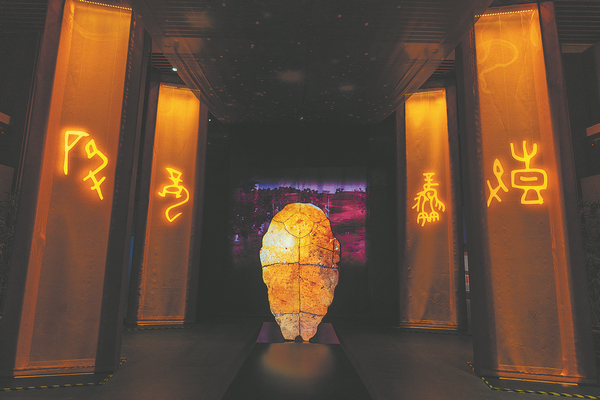
Yinxu is famously known for the discovery of over 150,000 oracle bones, which feature more than 4,000 characters. These artifacts offer a comprehensive record of the divination practices of the Shang Dynasty, covering topics such as weather, agriculture, military endeavors, and royal family matters. The inscriptions on these bones represent the earliest known form of Chinese writing.
Chariots and Horses
The excavation of chariots and horse skeletons at Yinxu signifies the technological and military prowess of the Shang Dynasty. These findings, dating back to the 13th century BC, demonstrate the advanced transportation and warfare techniques used during this period. The presence of these artifacts underscores the strategic capabilities of the Shang in maintaining their vast empire.
Residential and Ritual Structures
Archaeological excavations at Yinxu have also uncovered the foundations of palaces, residential buildings, and temples. These structures provide insight into the urban planning and architectural sophistication of the Shang Dynasty. The layout of these buildings reflects the societal organization and cultural practices of the time, offering a panoramic view of life in this ancient metropolis.
Cultural Significance
Yinxu Ruins embody the cultural and historical legacy of the Shang Dynasty, showcasing the early development of Chinese civilization in terms of technology, writing, religion, and social organization. The site reflects the dual role of the Shang kings as both political and religious leaders, with their authority legitimized through rituals and divination. The inscriptions on oracle bones reveal a complex society with a structured hierarchy, sophisticated communication methods, and a rich tradition of ancestor worship.
Yinxu stands as a testament to the Shang Dynasty's achievements and its profound impact on subsequent Chinese culture and identity. The oracle bone script laid the groundwork for the evolution of Chinese characters, influencing the linguistic landscape of China for millennia. The artistic and technological advancements evident in the artifacts from Yinxu demonstrate the dynasty's ability to harness and manipulate natural resources to produce objects of both beauty and utility.
Preservation and Research
Since its discovery, Yinxu Ruins has been the subject of extensive archaeological research and conservation efforts. The site is managed with the aim of preserving its historical integrity while facilitating ongoing research to uncover more about the Shang Dynasty's way of life. The establishment of the Yinxu Museum plays a crucial role in these efforts, providing a platform for showcasing the site's rich archaeological findings and educating the public about this pivotal period in Chinese history.
Collaborative efforts between Chinese and international scholars continue to shed light on the many unanswered questions surrounding the Shang Dynasty and its contributions to the broader tapestry of human history. Yinxu Ruins, with its wealth of material and cultural treasures, remains a focal point for understanding the complexities of early Chinese civilization and its enduring legacy.








